

Lot Clearing vs. Land Clearing in Montgomery County, TX
Gulf Coast Conservation
Not Sure How Much Clearing You Need?
We can review the vegetation, access, drainage, and intended use before recommending a scope.
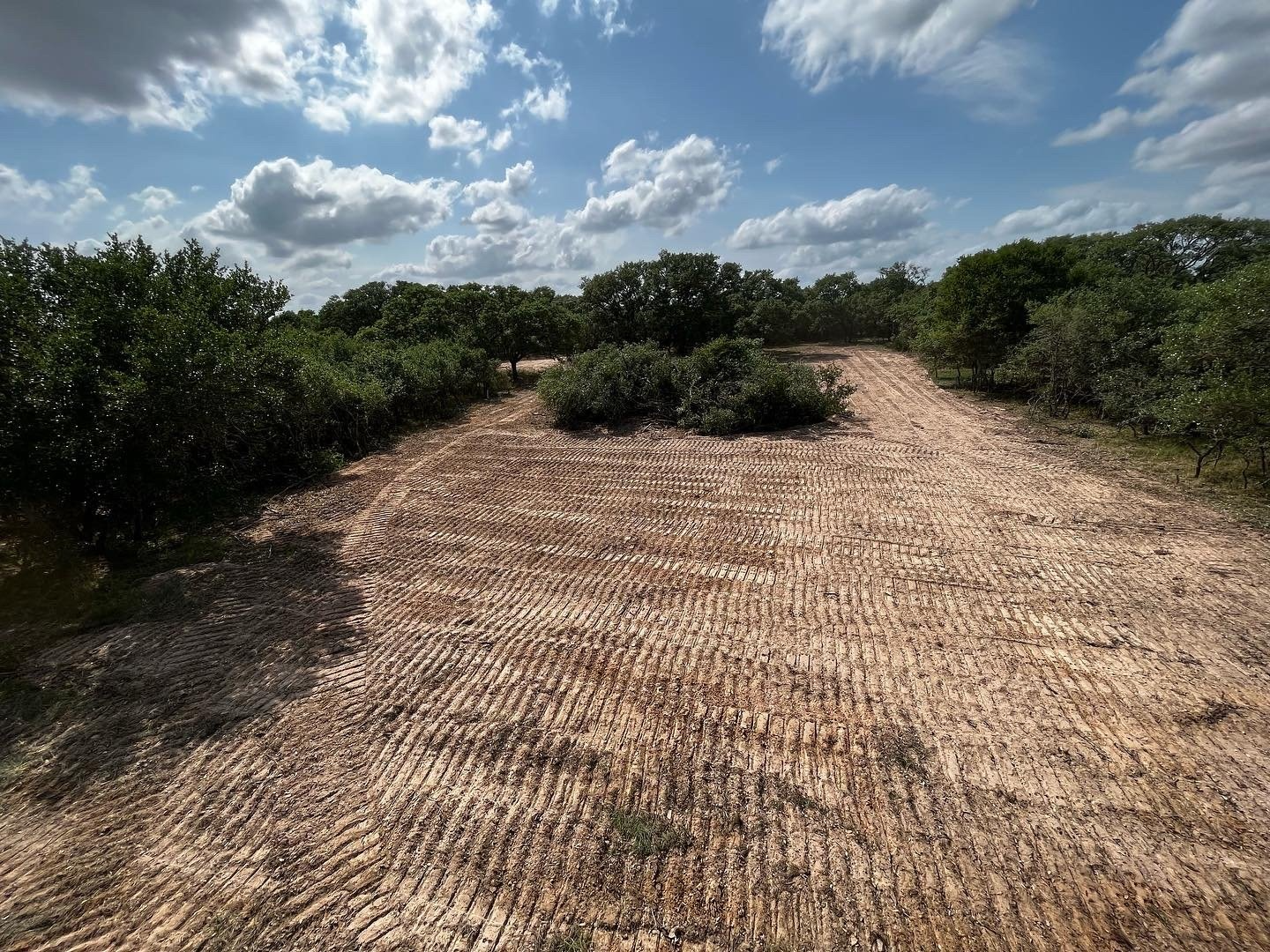
Selective clearing can open usable ground while preserving mature trees outside the approved work area.
What Does Lot Clearing Usually Include?
Estimated Read Time: 11 Minutes
If you are comparing lot clearing services in Montgomery County, the most important question is not what the contractor calls the work. It is what you need the property to do afterward.
A wooded homesite near Magnolia may need trees, stumps, and root balls removed before grading. An overgrown tract near Conroe may only need underbrush removal to restore access. A commercial property or future road corridor may need a heavier clearing plan with debris removal and follow-on dirt work.
Lot clearing is generally the lighter or more selective option. It is often used when the goal is to improve access, visibility, appearance, or routine use without completely stripping the property.
A typical lot-clearing scope may include:
- Cutting thick brush, vines, saplings, and undergrowth
- Removing selected small trees
- Clearing fence lines, trails, drive approaches, or work areas
- Moving or hauling loose surface debris
- Mulching vegetation in place when conditions allow
- Preserving mature trees or designated buffer areas
This type of work may fit when you want to walk or maintain the property, reach a survey line, prepare for fencing, reclaim an overgrown area, or create access for a later phase.
Lot clearing does not automatically mean that every stump and root will be removed. It also does not guarantee that the ground will be ready for a building pad, pavement, or final grading. Those finish conditions should be written into the estimate.
What Does Full Land Clearing Usually Include?
Full land clearing is a heavier scope intended for a major change in how the property will be used. It may include removing dense vegetation, mature trees, stumps, root balls, and other material that would interfere with construction or earthwork.
Depending on the project, full clearing may include:
- Felling and removing larger trees
- Extracting stumps and major root systems
- Clearing dense brush across a larger area
- Grubbing the surface to remove buried organic material
- Sorting, processing, hauling, or disposing of debris
- Opening space for drainage, roads, ponds, utilities, or building pads
- Rough cleanup before grading and site preparation
Removing vegetation is only one part of construction preparation. If the property will support a house, shop, commercial building, private road, or other improvement, the next phase may also require excavation, grading, drainage work, fill placement, or compaction.
Learn more about Gulf Coast Conservation’s land-clearing services.
Lot Clearing vs. Full Land Clearing: Side-by-Side
These are working descriptions, not universal industry definitions. Ask every contractor to define the clearing limits, removal method, debris plan, and finish condition in writing.
Main goal
Lot Clearing Improve access, visibility, maintenance, or light use
Full Land Clearing Prepare for construction, major grading, roads, pads, or a new land use
Brush and undergrowth
Lot Clearing Usually removed or mulched
Full Land Clearing Removed throughout the approved clearing area
Trees
Lot Clearing Small trees may be removed while selected mature trees remain
Full Land Clearing Larger trees are removed where the site plan requires it
Stumps and roots
Lot Clearing May remain unless the scope says otherwise
Full Land Clearing Commonly removed or grubbed where they conflict with planned work
Ground disturbance
Lot Clearing Usually lower
Full Land Clearing Usually higher because of tree, stump, and root removal
Debris handling
Lot Clearing Mulch, piles, selective haul-off, or another defined method
Full Land Clearing Larger-volume processing, haul-off, permitted disposal, or another approved method
Ready for construction?
Lot Clearing Usually not by itself
Full Land Clearing Closer, but grading, drainage, and pad preparation may still be separate
Best fit
Lot Clearing Access lanes, fence lines, inspection, maintenance, and selective improvement
Full Land Clearing Homesites, commercial areas, roads, pads, ponds, utilities, and major redevelopment
1
Which Clearing Scope Fits Your Property?
The right scope clears enough to meet the goal without paying for unnecessary disturbance.
You May Need Lot Clearing If:
- Brush is blocking access to the property.
- You want to expose survey corners, fence lines, or drainage features.
- The main goal is maintenance, visibility, or selective improvement.
- Mature trees should remain.
- You are still evaluating where a future improvement will go.
- Forestry mulching or brush cutting can meet the immediate goal.
You May Need Full Land Clearing If:
- A home, shop, commercial building, road, or pad will occupy the area.
- Trees, stumps, or roots conflict with planned excavation or grading.
- Organic material must be removed from a structural work area.
- The property needs a major change in use.
- Dense vegetation is preventing survey, layout, drainage, or construction work.
- The clearing is one phase of a broader site-development plan.
A Phased Approach May Be Better If:
- The exact home, road, pond, or pad location is not final.
- You want to preserve as many mature trees as practical.
- Access is needed before the entire site can be evaluated.
- The property includes wet, low, or flood-prone areas.
- Budget or scheduling makes it practical to clear only the first work zone.
On many acreage projects, selective access clearing is a practical first step. It lets the owner, surveyor, contractor, or engineer see the land before committing to a larger disturbance area.
Brush Cutting, Forestry Mulching, and Grubbing Are Not the Same
The equipment and method should follow the desired result.
Brush Cutting
Brush cutting reduces tall grass, light brush, vines, and smaller woody growth. It can restore access and make the property easier to inspect. It does not normally remove larger stumps or prepare the soil for a structure.
Forestry Mulching
A forestry mulcher grinds vegetation into mulch at or near the surface. It is useful for selective clearing, trails, fence lines, underbrush removal, and areas where lower disturbance is preferred. Stumps and roots may remain below the cutting level, so forestry mulching alone is not always enough for a future pad or paved area.
Tree and Stump Removal
Excavators and other heavy equipment can remove trees, stumps, and root balls that would interfere with earthwork. This creates more soil disturbance and leaves holes or loose material that may need to be backfilled and graded.
Grubbing
Grubbing removes stumps, roots, and buried organic material from the planned work area. It is especially important where decomposing material could create settlement beneath a road, pad, or structure.
If you want a deeper look at machine selection, read What Machines Are Required to Clear Your Land?
2
What Affects Lot- and Land-Clearing Cost?
A reliable estimate normally requires a site visit because visible acreage does not tell the full story.
Two five-acre properties can need completely different scopes. One owner may want a narrow access route. Another may need a homesite, driveway, drainage path, and pond area cleared.
The biggest cost factors include:
- Vegetation density: Light brush takes a different effort than mature timber with heavy understory.
- Tree and stump size: Larger trees and root balls require more time, equipment, and handling.
- Access: Narrow gates, weak crossings, overhead lines, nearby structures, and limited truck access affect production.
- Terrain and ground conditions: Slopes, wet areas, soft ground, and drainage channels can limit where and when equipment can work.
- Debris volume and destination: Mulching, on-site placement, hauling, disposal, and other legal handling methods have different costs.
- Selective work: Preserving specific trees or working near improvements can require slower, more precise operations.
- Finish condition: Rough clearing costs less than stump removal, hole backfill, cleanup, and grading to a defined elevation or drainage plan.
- Follow-on work: Roads, pads, ponds, drainage, excavation, and imported fill should be scoped separately or clearly itemized.
Be cautious with a price based only on acreage. A useful estimate should explain the limits of work, what will remain, debris handling, exclusions, and the expected final condition.
3
Montgomery County Site Considerations
Conditions can change substantially between Conroe, Magnolia, The Woodlands area, Montgomery, Willis, Porter, and New Caney.
Access and Work Limits
Confirm how equipment and haul trucks will enter the site. Mark property lines, clearing limits, trees to preserve, septic components, water wells, fences, and known private utilities.
Drainage and Erosion
Vegetation slows runoff and helps protect exposed soil. Removing it can change how water moves across the site. The clearing plan should account for ditches, swales, creeks, neighboring property, road drainage, and the grading work that will follow.
Floodplain Status
Do not assume that a wooded or undeveloped tract is outside a regulated floodplain. Montgomery County’s published development procedures state that development or work in the 100-year floodplain requires a permit, and its floodplain regulations apply to unincorporated areas of the county. The exact requirement depends on the parcel and proposed work, so confirm floodplain status and permit needs before clearing or changing grades.
City, County, District, and Deed Restrictions
A Montgomery County address may be inside a city, in an extraterritorial jurisdiction, within a special district, or subject to subdivision or deed restrictions. The county’s residential permit packet notes that property in a city’s jurisdiction may require additional documentation. Clearing approval, access, culverts, drainage, tree preservation, and construction permits can therefore vary by address.
Underground and Private Utilities
Texas811 says excavators must request a utility locate at least two business days before excavation, excluding weekends and holidays, and confirm utility responses before proceeding. An 811 ticket covers participating utility operators; it does not guarantee that privately owned lines, septic components, irrigation, or other private facilities will be marked. Those items should be identified separately.
Debris Disposal and Burning
Do not assume cleared brush can be burned. The Texas Commission on Environmental Quality’s outdoor-burning guidance explains that outdoor burning is generally prohibited unless an exception applies. Local ordinances, burn bans, location, notice requirements, and the material involved can add restrictions. Confirm the current rules for the exact site and disposal method.
This article provides general planning information, not a permit determination, survey, engineering opinion, or legal advice. Requirements should be verified for the property address and final scope.
4
What Should a Clearing Estimate Include?
The phrase “clear the lot” is not detailed enough. A clear finish description prevents disagreement at the end of the job.
Before approving the work, look for a written scope that answers:
- Where does clearing start and stop?
- Which trees, buffers, or site features will remain?
- Are stumps and roots being cut, ground, extracted, or left in place?
- Will holes be backfilled?
- How will brush, logs, stumps, and trash be handled?
- Is haul-off or disposal included?
- Is grading included, or is the site being left rough?
- Who identifies property lines and private utilities?
- Are permits, surveys, erosion controls, or traffic access separate?
- What site conditions could change the price or schedule?
How Gulf Coast Conservation Plans the Work
Gulf Coast Conservation starts with the property’s intended use. During the site review, we look at vegetation, tree and stump size, equipment access, visible drainage, nearby improvements, debris handling, and the work that may follow.
- Confirm what the property needs to support afterward.
- Mark the clearing limits and features that should remain.
- Match the clearing method and equipment to the site.
- Define stump, root, debris, and finish requirements.
- Account for grading, drainage, road, pad, or pond work that may follow.
The scope may call for selective brush removal, forestry mulching, heavier tree and stump removal, or a combination of methods. If the project will move into grading, drainage, road, or pad construction, those needs should be considered before the clearing limits are finalized.
Montgomery County Lot-Clearing FAQs
Is lot clearing cheaper than full land clearing?
Usually, but not always. Selective brush removal with limited stump work generally requires less labor, equipment, and debris handling than clearing mature trees and grubbing roots. Access, vegetation density, disposal, and the required finish condition can matter more than acreage alone.
Can lot clearing leave stumps behind?
Yes. Brush cutting and forestry mulching may leave stumps or roots at or below the surface. If the area will become a pad, road, utility route, or other structural work zone, specify whether stumps and organic material must be removed.
Do I need full land clearing for a homesite?
The building footprint, driveway, utility routes, drainage areas, and construction access commonly need a more complete scope than the untouched parts of the property. The final clearing limits should follow the survey, site plan, and construction needs rather than clearing the entire tract automatically.
Is forestry mulching the same as land clearing?
No. Forestry mulching reduces vegetation and leaves processed material on the ground, but it may leave larger stumps and root systems in place. It can fit access, underbrush, trails, and selective improvement, but it is not a substitute for grubbing where buried organic material conflicts with construction.
Can clearing affect drainage?
Yes. Vegetation removal, stump extraction, rutting, and changes to the ground surface can alter runoff. Clearing limits and follow-on grading should account for existing drainage paths and neighboring property.
Do I need a permit to clear land in Montgomery County?
It depends on the parcel, jurisdiction, floodplain status, work method, and final use. Montgomery County publishes specific requirements for development or work in the 100-year floodplain, while cities, districts, access points, culverts, drainage work, and later construction can involve additional rules. Verify the address and scope before work begins.
How long does lot clearing take?
The schedule depends on acreage, vegetation, stump size, ground conditions, access, debris handling, weather, and the required finish. A site review is more reliable than a time estimate based only on acreage.
Can cleared material stay on the property?
Sometimes. Material may be mulched, stacked, processed, or placed in an approved area when the site and project allow it. Hauling, disposal, burning, and on-site placement should be defined in advance and must follow applicable rules.
Start With the Finished Property in Mind
Need Lot Clearing in Montgomery County?
The best clearing plan is not the one that removes the most vegetation. It is the one that leaves the property ready for its next use.
If you need lot clearing services in Conroe, Magnolia, The Woodlands area, or elsewhere in Montgomery County, Gulf Coast Conservation can review the site and help define a practical scope—from selective brush removal to full clearing and follow-on dirt work.
Referenced Resources
Permit, utility, and debris requirements can vary by address and project scope. These official resources are useful starting points: